The newest and most relevant insights
An increasing number of individuals and organisations are expressing concern about (plastic) cigarette filter pollution — and justifiably so. There are numerous strong and evidence-based reasons to support a ban on cigarette filters.

Quantity
Trillions of cigarette filters end up in the environment each year.
- Cigarette filters are by number the largest form of pollution worldwide.
- They’ve polluted land and water since the 1950s.
- Even with 90% proper disposal, billions would still enter the environment each year – awareness alone isn’t enough.
- Cleaning up is impossible (join the annual international cigarette butt cleanup day ‘No Butts Day‘ to help prove it again this year).
Costs
Cigarette filter pollution imposes an annual global burden of US$26 billion.
- Cigarette filter pollution is estimated to cost $26 billion/year in waste management and marine ecosystem damage worldwide.
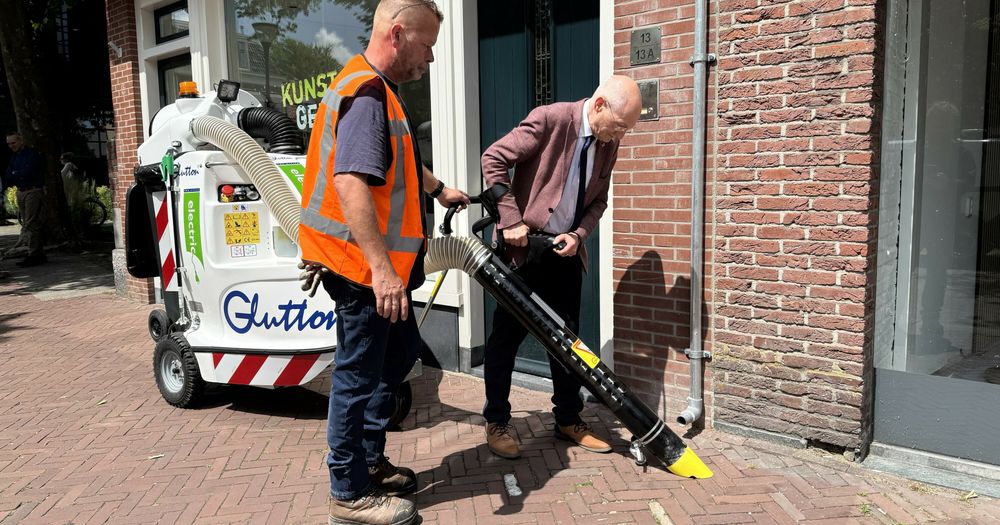
- The effect on water and soil quality is yet to be investigated: a Dutch waterboard is raising their waste water treatment levy in 2026, partially because of cigarette filter pollution

Toxicity
Cigarette filters release thousands of toxic chemicals, many of which leach into water, soil and animals
- Cigarette filters release thousands of toxic chemicals, many of which leach into water and soil.
- Water treatment facilities experience increasing difficulties cleaning the water, partially because of cigarette filter pollution
- One butt can contaminate up to 1,000 liters of water with hazardous nicotine levels.
- Filters harm plants, animals, and microbes, affecting growth, reproduction, and ecosystem balance.
- Most filters are made of cellulose acetate, a plastic that breaks into micro- and nanoplastics and barely biodegrades.
- Even unused filters and unsmoked cellulose acetate filters can be toxic to some plants and invertebrates.
Deception
Cigarette filters were never a safety feature but only a harmful design
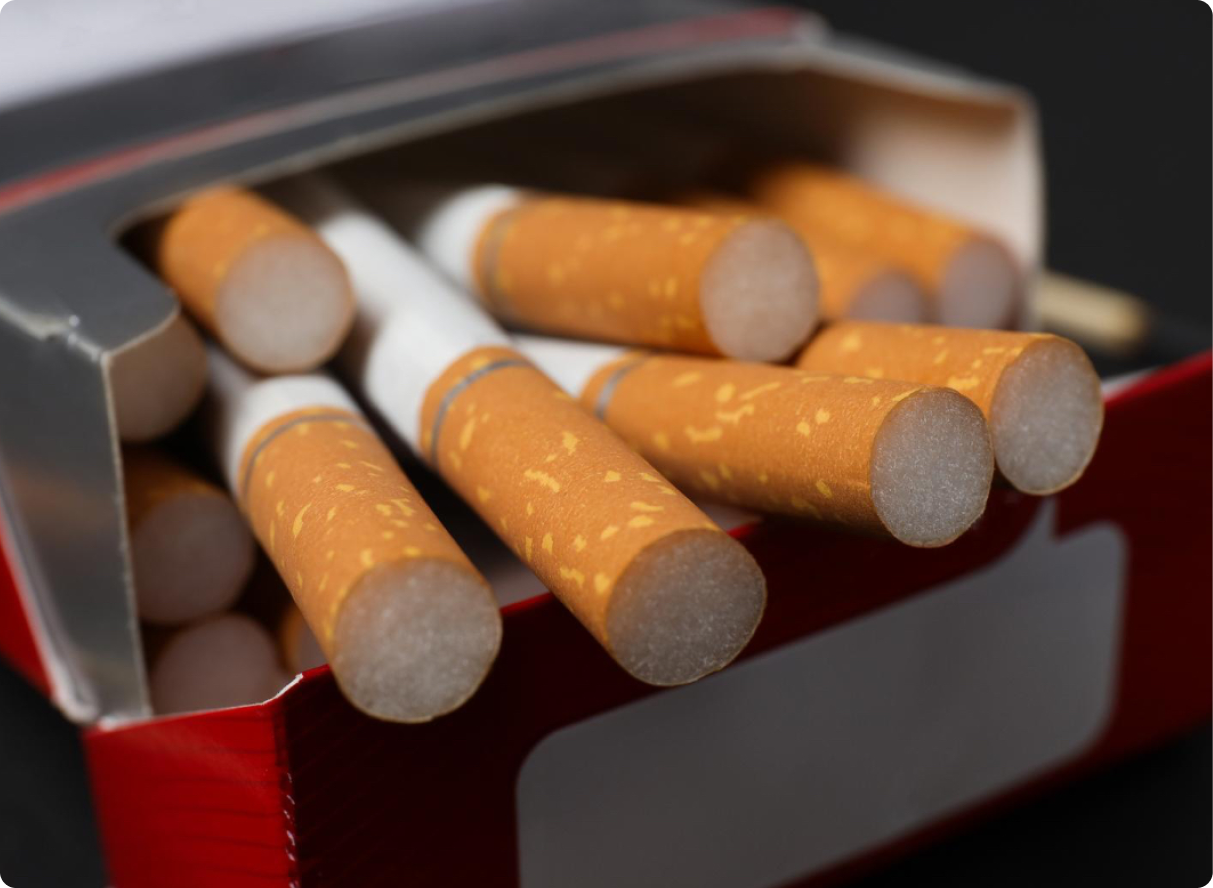
- Cigarette filters don’t reduce harm from smoking: research has confirmed that filters never made smoking safer, but instead imposed additional health hazards.
- Cigarette filters are a design flaw, being merely a marketing tool to sell more cigarettes.
- Cigarette filters are an unnecessary product.
- Cigarette filters with filters splintered can cause smokers to inhale plastic fibers.
Resources
The following resources provide more information on the (plastic) cigarette filter pollution and deception.
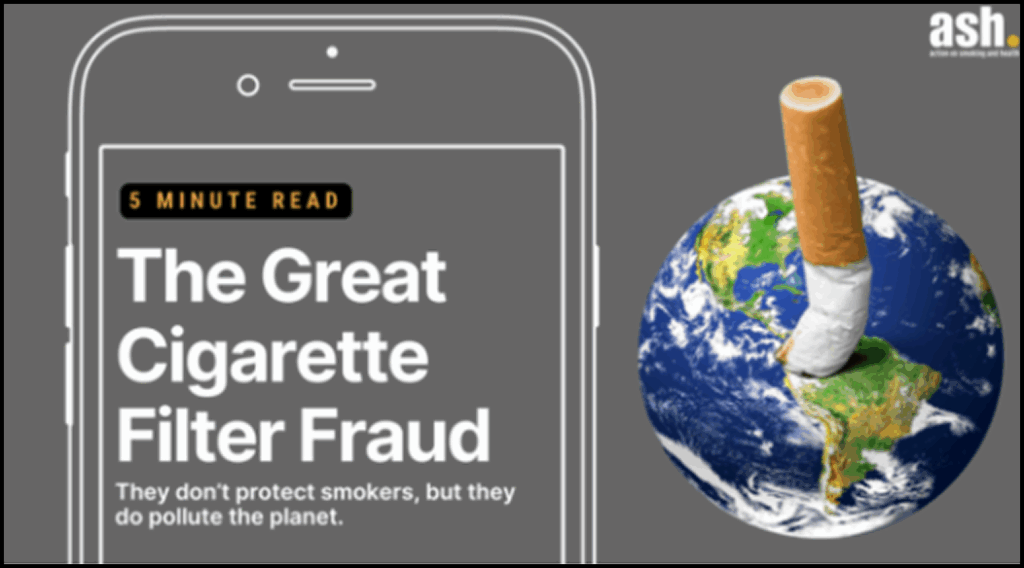
The Great Cigarette Fraud
3 Myths about Filters and Plastic

Tobacco Tactics

The impact of cigarette filters on public health
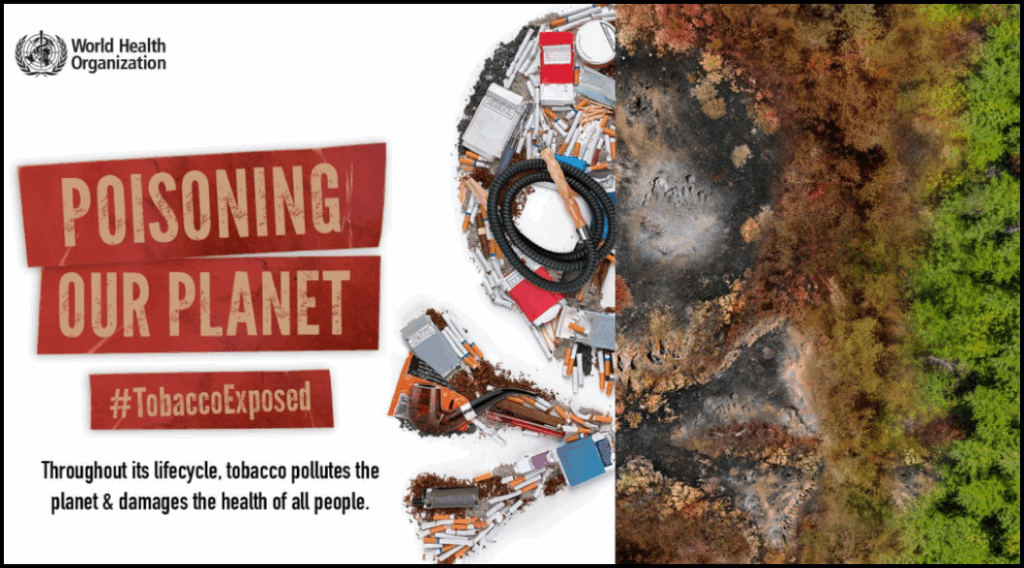
Poisoning our health

Reduceren van sigarettenfilters in het zwerfafval

Opposition to Filter Bans: 2022 ITC Survey Findings

Protecting public health and the environment

De sigaret met filter: schadelijk voor mens en milieu